
Imagine you are standing in the middle of a massive library with millions of books, and you are looking for one specific page that tells you exactly how to sell your house in a weekend. You’d probably feel a bit overwhelmed, right? That’s exactly how online search can feel without the right approach to Real Estate SEO. Thousands of people are searching for properties, agents, and market advice every day, but if you’re targeting the wrong keywords, your website can easily get lost in the crowd.
Well, that is exactly how your potential clients feel when they go to Google. They are searching through billions of pages, and your job is to make sure your page is the one they find.
To do that, you need keywords. But not just any words, you need high-converting keywords. In the world of search engines, real estate SEO keywords are the secret sauce that connects a person’s problem with your solution. If you pick the right words, the phone starts ringing. If you pick the wrong ones, your website remains a hidden gem that nobody ever sees.
In this guide, we are going to learn search intent, local niches, and the data-driven art of finding the best keywords for real estate website success. Whether you are a solo agent or a large brokerage, this strategy is your roadmap to more leads and more closings.
Why Keywords Are the Foundation of Your Lead Machine
Before we get into the “how,” let’s talk about the “why.” Every single search starts with a thought, and that thought is expressed through a keyword. If you want to understand How to Build a Real Estate Website That Generates Leads, you have to start by understanding the language of your audience.
Keywords aren’t just for Google’s bots; they are for your users. When a user sees their exact question mirrored in your headline, they feel an immediate sense of trust. They think, “This person gets me.” That trust is the first step toward a conversion.
However, the competition is fierce. You aren’t just competing with the agent down the street; you are competing with massive national portals that have millions of dollars to spend on SEO. The only way to win is to be smarter, more local, and more specific with your real estate SEO keywords.
Short-Tail vs. Long-Tail
Most agents start their SEO journey by trying to rank for broad terms like “Real Estate” or “Homes for Sale.” These are called “Short-Tail Keywords.” While they have millions of searches, they are nearly impossible for a single agent or local brokerage to rank for.
This is where long tail keywords real estate strategies come into play. A long-tail keyword is a longer, more specific phrase. Instead of “Dallas Homes,” a long-tail keyword would be “3-bedroom ranch homes for sale in North Dallas under $500k.”
Why Long-Tail Wins:
- Lower Competition: Far fewer people are trying to rank for these specific phrases.
- Higher Intent: Someone searching for a specific house type in a specific price range is much more likely to buy than someone just browsing “Dallas Homes.”
- Cost-Effective: If you are paying for ads or investing in organic content, long tail keywords real estate phrases provide a much higher return on investment (ROI) because the leads are pre-qualified.
If you are curious about the technical setup required to handle these specific pages, you might want to look into how much does a real estate website cost in 2026? to see how to budget for a site that supports deep keyword targeting.
Mastering Buyer Intent: Finding the “Money” Keywords
Not all traffic is created equal. You can have 10,000 visitors a month, but if they are all just looking at pretty pictures of kitchens, your bank account won’t grow. You need buyer intent keywords real estate phrases.
Intent is the “why” behind the search. There are generally three types of intent:
- Informational: “How to save for a down payment.” (The user is just learning).
- Navigational: “Zillow Dallas.” (The user wants a specific site).
- Transactional (Buyer Intent): “Best realtor in Dallas for first-time buyers.” (The user is ready to act).
Your primary goal should be to dominate the transactional space. When you focus on buyer intent keywords real estate, you are targeting people who have their checkbooks out. They are looking for an agent, a listing, or a valuation. By positioning your site as the answer to these specific queries, you cut through the noise.
How to Find Your “Gold Mine” Keywords: A Step-by-Step Guide
So, how do you actually find these magical words? It’s not about guessing; it’s about research.
Step 1: Think Like a Local Resident
Start with what you know. What do people call your neighborhood? Do they use the official name or a nickname? Are there specific landmarks, like a famous park or a tech hub, that drive interest? These localized terms are the best keywords for real estate website growth because they target people looking specifically in your area.
Step 2: Use Google’s Free Tools
Go to Google and start typing your city name followed by “homes for.” Look at the “Auto-complete” suggestions. Scroll to the bottom of the page and look at “Related Searches.” These are real phrases that people are typing in right now. These suggestions are a goldmine for long tail keywords real estate ideas.
Step 3: Analyze the “People Also Ask” Section
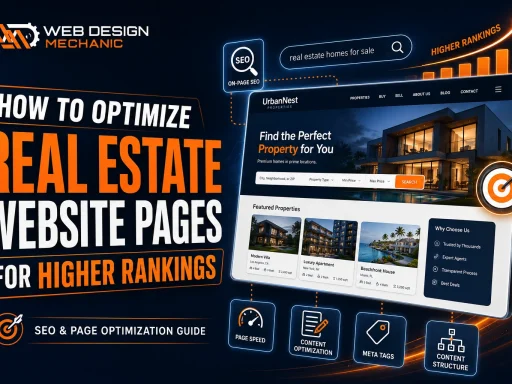
This section is a gift from Google. It tells you the exact questions people are asking. If you write a blog post that answers one of these questions perfectly, you might even get featured in a Snippet at the very top of the search results. This is a core part of how to optimize real estate website pages for higher rankings.
The Role of Local SEO in Your Keyword Strategy
Real estate is, and always will be, a local business. Therefore, your real estate SEO keywords must be hyper-local. You don’t want traffic from the whole state; you want traffic from the five-mile radius where you sell homes.
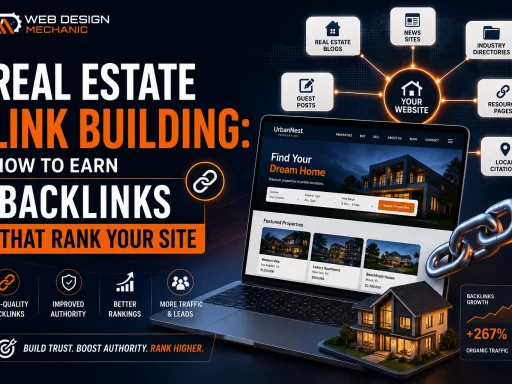
This means you need to include zip codes, school districts, and even specific street names in your content. When you master Local SEO for Real Estate Agents: How to Rank Higher in Your Area, you start showing up in the “Map Pack”, that little box with the map and the top three local agents.
Keywords like “Real estate agent near me” or “Realtor in [Neighborhood]” are high-value buyer intent keywords real estate terms because they indicate the user is looking for local professional help right now.
Competitor Spying: What Is Working for the Top Agents?
You don’t have to reinvent the wheel. Look at the top three agents in your city. What are they writing about? Which of their pages show up first on Google?
Use tools like SEMrush or Ahrefs to see which real estate SEO keywords are driving traffic to their sites. If they have a high-ranking page about “Moving to [City] with Pets,” maybe you should write a better, more detailed version of that same topic. This “Sky-scraper” technique is one of the most effective ways to find the best keywords for real estate website content.
However, don’t just copy them. Look for the gaps. Maybe they have a page for buyers but have completely ignored buyer intent keywords real estate for people looking for “fixer-uppers” or “investment properties.” Those gaps are your opportunity.
The Importance of Keyword Clustering
Gone are the days when you could just repeat “Dallas Realtor” 50 times on a page and rank #1. Today, Google looks for “Topical Authority.” This means you need to group related real estate SEO keywords together into clusters.
For example, if your main topic is “Living in North Dallas,” your cluster might include:
- “North Dallas school ratings”
- “Best restaurants in North Dallas”
- “Average home price in North Dallas”
- “Commute times from North Dallas to downtown”
By covering all these related long tail keywords real estate terms on your site, you prove to Google that you are an expert on North Dallas. For more on how to layout these clusters effectively, take a look at modern real estate website design ideas for better conversions.
Implementing Your Keywords Without Sounding Like a Robot
One of the biggest mistakes agents make is “Keyword Stuffing.” This is when you try to force so many real estate SEO keywords into a sentence that it becomes unreadable.
- Bad Example: “Looking for a Dallas Realtor? I am a Dallas Realtor who helps Dallas buyers find Dallas homes because I am the best Dallas Realtor.”
- Good Example: “As a local expert, I help families navigate the Dallas market to find their dream home, whether they are looking for a suburban ranch or a modern downtown condo.”
Tracking Your Keyword Success
You need to know which buyer intent keywords real estate terms are actually bringing in leads. Use Google Search Console to see which phrases people are using to find you.
If you see that you are ranking on page 2 for a high-value long tail keywords real estate phrase, that is your signal to go back to that page and improve it. Add more info, better photos, or a clearer call to action. Small tweaks can move you from page 2 to page 1, which can result in a massive increase in traffic.
If you aren’t sure where to start with your technical audit, you can always visit our website design services page to see how we help agents optimize their backend for search performance.
Final Words
In the physical world, curb appeal is what gets a buyer to stop the car and walk inside. In the digital world, keywords are your curb appeal. They are the first thing Google sees and the first thing your potential clients recognize.
By choosing the right real estate SEO keywords, you ensure that your website isn’t just a cost, but a lead-generating asset. Focus on the best keywords for real estate website growth, those that are local, specific, and filled with intent. Use long tail keywords and real estate phrases to avoid the bloodbath of national competition, and always prioritize buyer intent keywords in real estate to ensure the traffic you get is traffic that converts.
If you are ready to stop guessing and start ranking, we are here to help. Whether you need a full real estate website design or a targeted SEO strategy, we can help you build a platform that actually grows your business.
Don’t let your expertise stay hidden. Find your keywords, build your content, and start owning your local market today. If you have questions about your specific area, feel free to contact us today, and let’s get your business on the first page of Google!